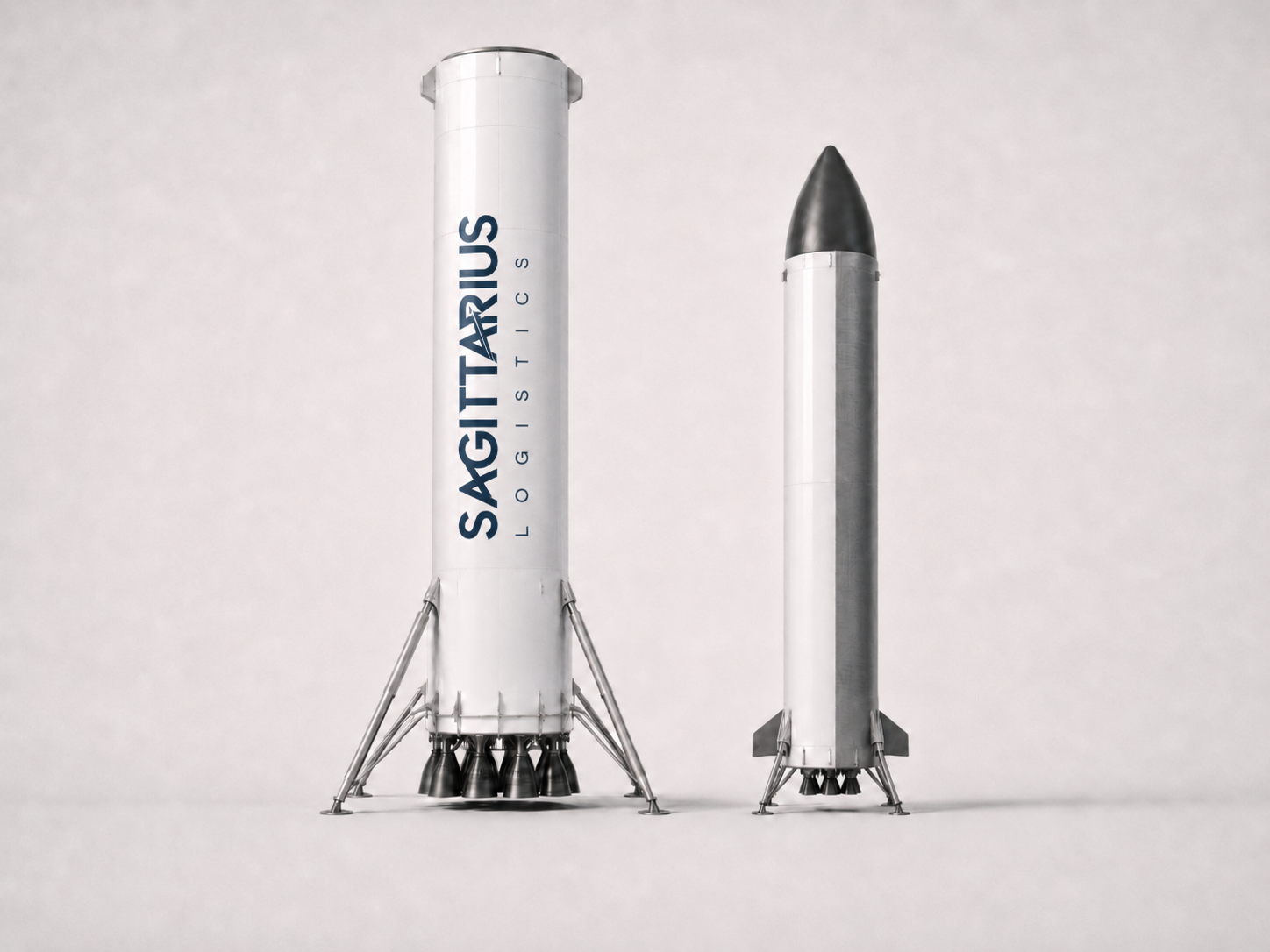
Three vehicles.
One design architecture.
The Sagittarius family scales the same airframe philosophy from suborbital to heavy lift — reusable, vertically integrated, abort-first.
Yellowstone
First flight, 2027.
The operational suborbital launcher and the first commercial Sagittarius vehicle. Yellowstone is designed for hundreds of flights per airframe — a high-cadence workhorse for research payloads, hypersonic test articles, and short-duration microgravity. Every system the orbital vehicles inherit gets flown here first.
- Class
- Operational suborbital
- Payload
- 500 lb to 500 km
- Designed for
- Hundreds of flights per airframe
- First flight
- 2027
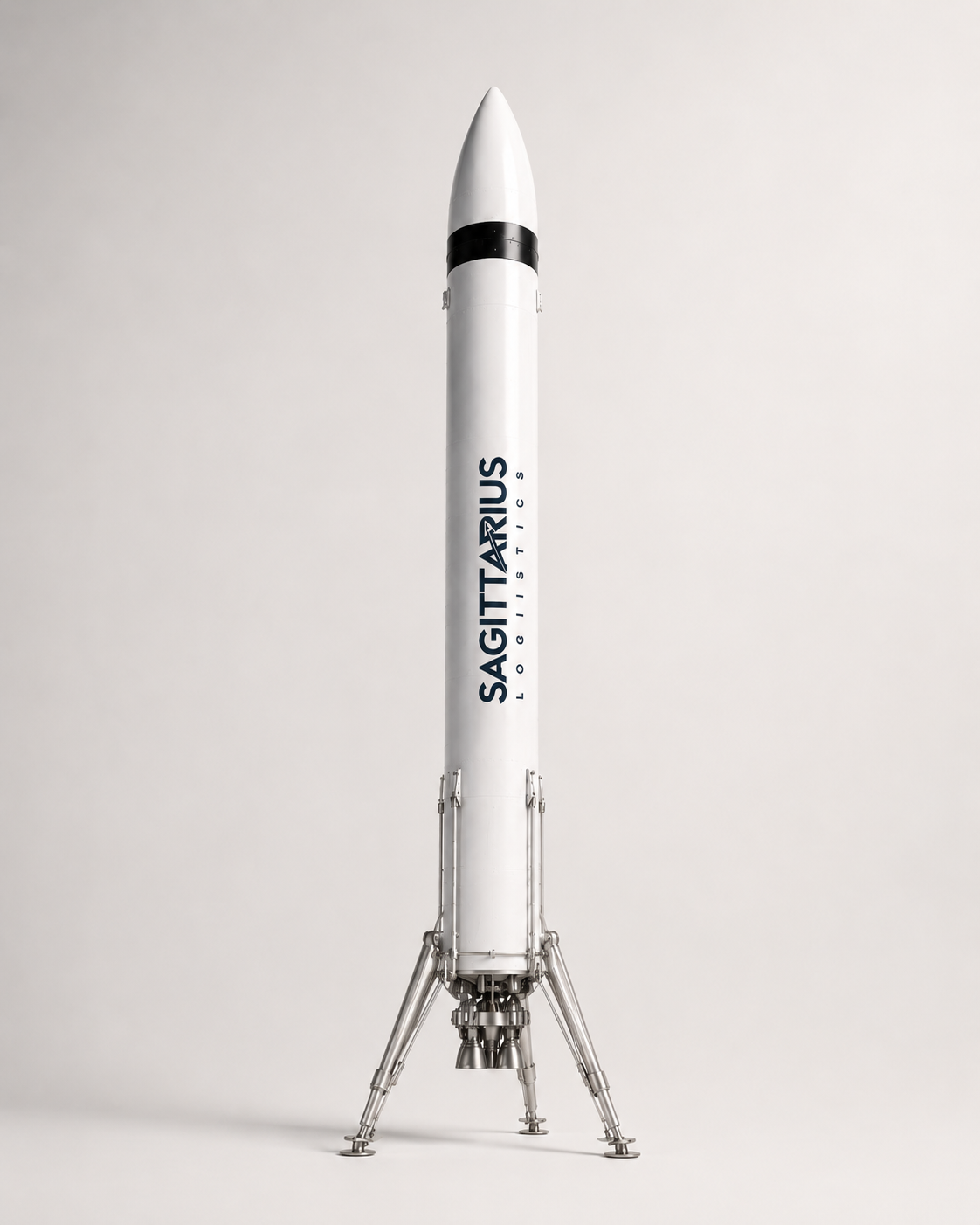
Sequoia
First flight, 2030.
The first orbital Sagittarius vehicle and the workhorse of the small-and-medium constellation market. Sequoia inherits Yellowstone's flight-proven engines and avionics, and stretches the airframe to put four tonnes into low Earth orbit on a dedicated trajectory. The price point lands where rideshare lives — without the rideshare schedule.
- Class
- Medium-lift orbital
- Payload
- 4 tonnes to LEO / SSO
- Target price
- $500 / kg
- First flight
- 2030
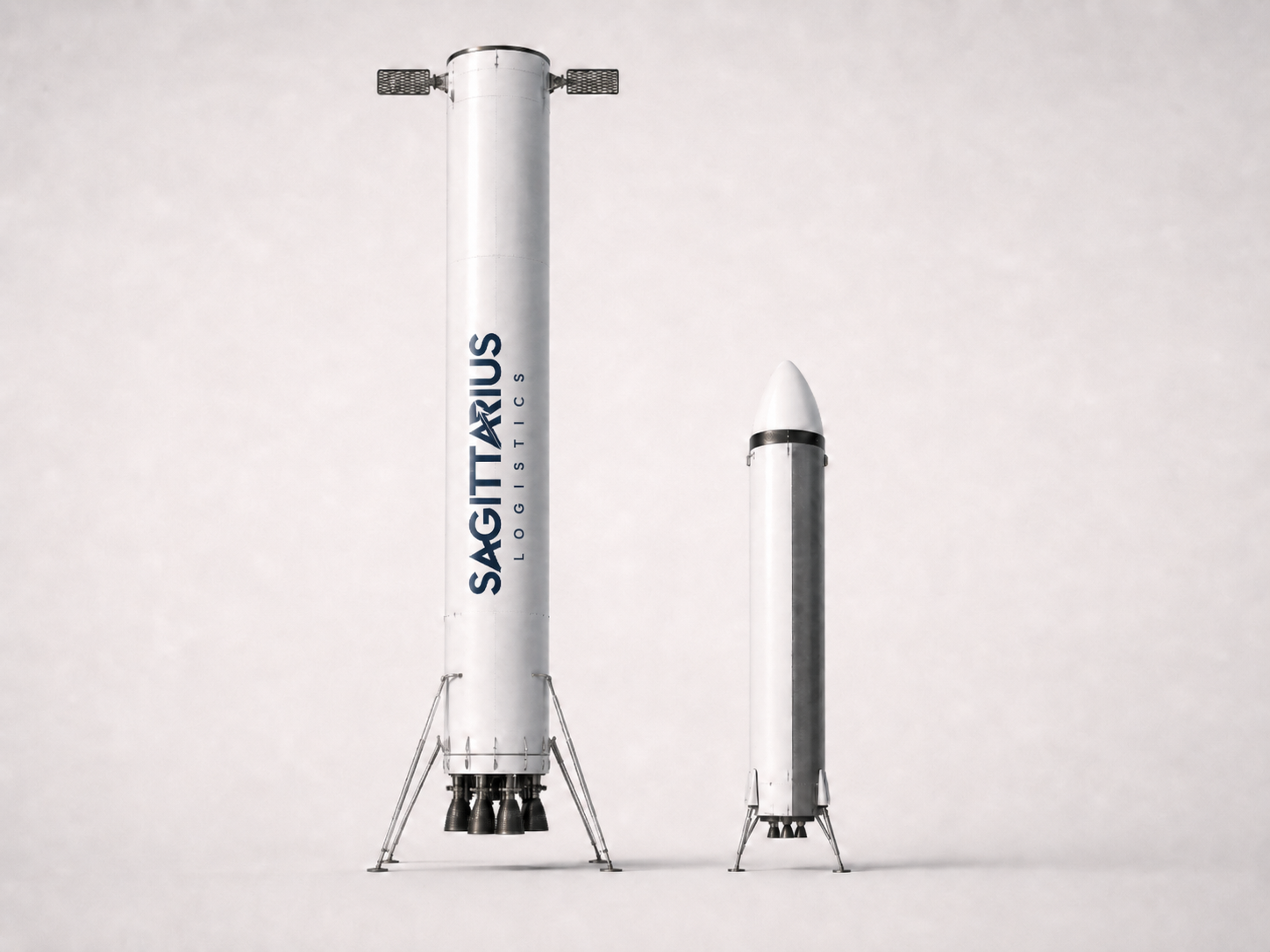
Denali
The economy of scale.
The heavy-lift vehicle. Denali is the answer when a customer needs thirty tonnes in a single trajectory and a price per kilogram that opens new categories of business in orbit — constellations, in-space manufacturing, and infrastructure that has not been economical before.
- Class
- Heavy-lift orbital
- Payload
- 30 tonnes to LEO / SSO
- Target price
- $200 / kg
- First flight
- Following Sequoia